
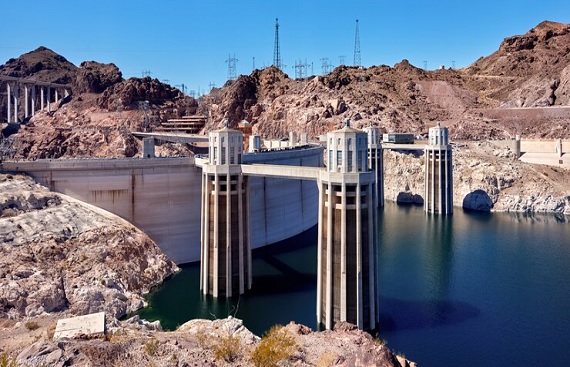
REC Approves Rs 1,869 Crore Loan for Kiru Hydro Project in J&K
REC Limited, a Maharatna public sector company and leading NBFC, has signed an agreement with Chenab Valley Power Project Private Limited (CVPPPL)...
Wednesday, 24 April 2024, 06:01:13 PM IST
FSIB Recommends Rana Ashutosh Kumar Singh for SBI MD Position
The Financial Services Institutions Bureau (FSIB) recommended Rana Ashutosh Kumar Singh for the position of Managing Director at State Bank of...
Wednesday, 24 April 2024, 05:47:26 PM IST

91% of Indian Firms to Use Majority of Data for AI Training in 2024
India leads the way as an AI leader, with 70 percent of enterprises having AI projects up and running or in progress. This stands in stark contrast...
Wednesday, 24 April 2024, 03:44:53 PM IST

Ericsson, IIT Kanpur's F.I.R.S.T to Drive Fintech Innovations
Telecommunications giant Ericsson has announced a two-year strategic partnership with the Foundation for Innovation & Research in Science &...
Wednesday, 24 April 2024, 02:53:16 PM IST

Aarzoo Khurana's ATR Initiative: Protecting Tigers, Preserving Ecosystem
Aarzoo Khurana is a wildlife photographer who loves animals from the depth of her heart and a smart lawyer. She’s on an exciting adventure to visit 55 tiger reserves in India. Aarzoo started the “All Tiger Reserve” project...
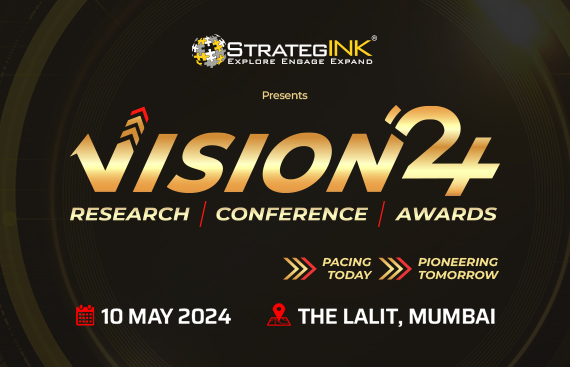
StrategINK Unveils 3rd Edition of VISION'24: Pacing Today, Pioneering Tomorrow
Vision 2024, the unique platform for IT decision-makers and technology OEMs, is set to reconvene with its latest edition focusing around building intelligent and agile enterprises of tomorrow on May 10th, 2024, at The Lalit, Mumbai. The...






.jpg "Unlocking Potential Redefining Potential & Redefining Excellence")